
Role of Pigments in Manufacturing
Introduction to Pigments
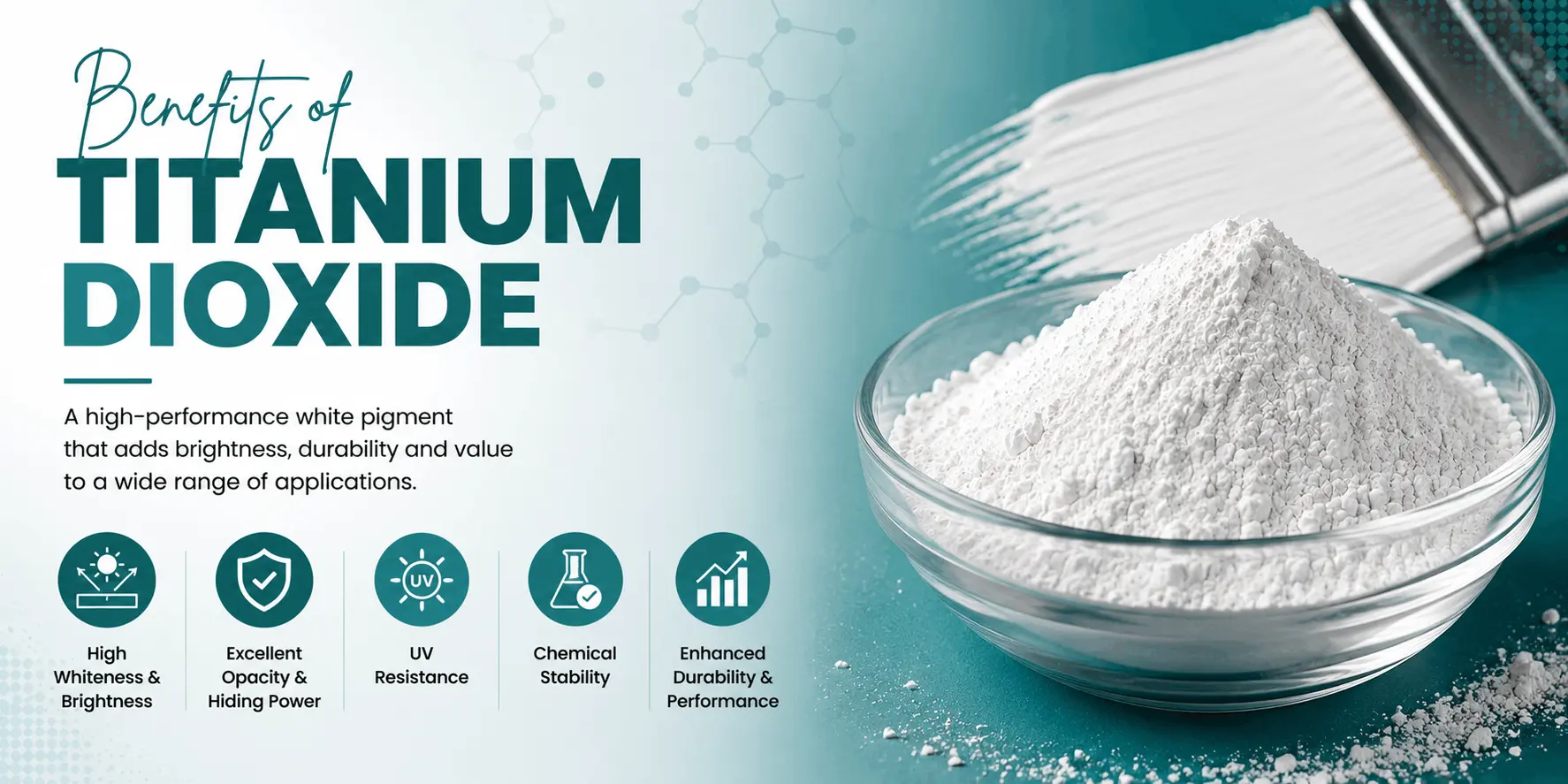
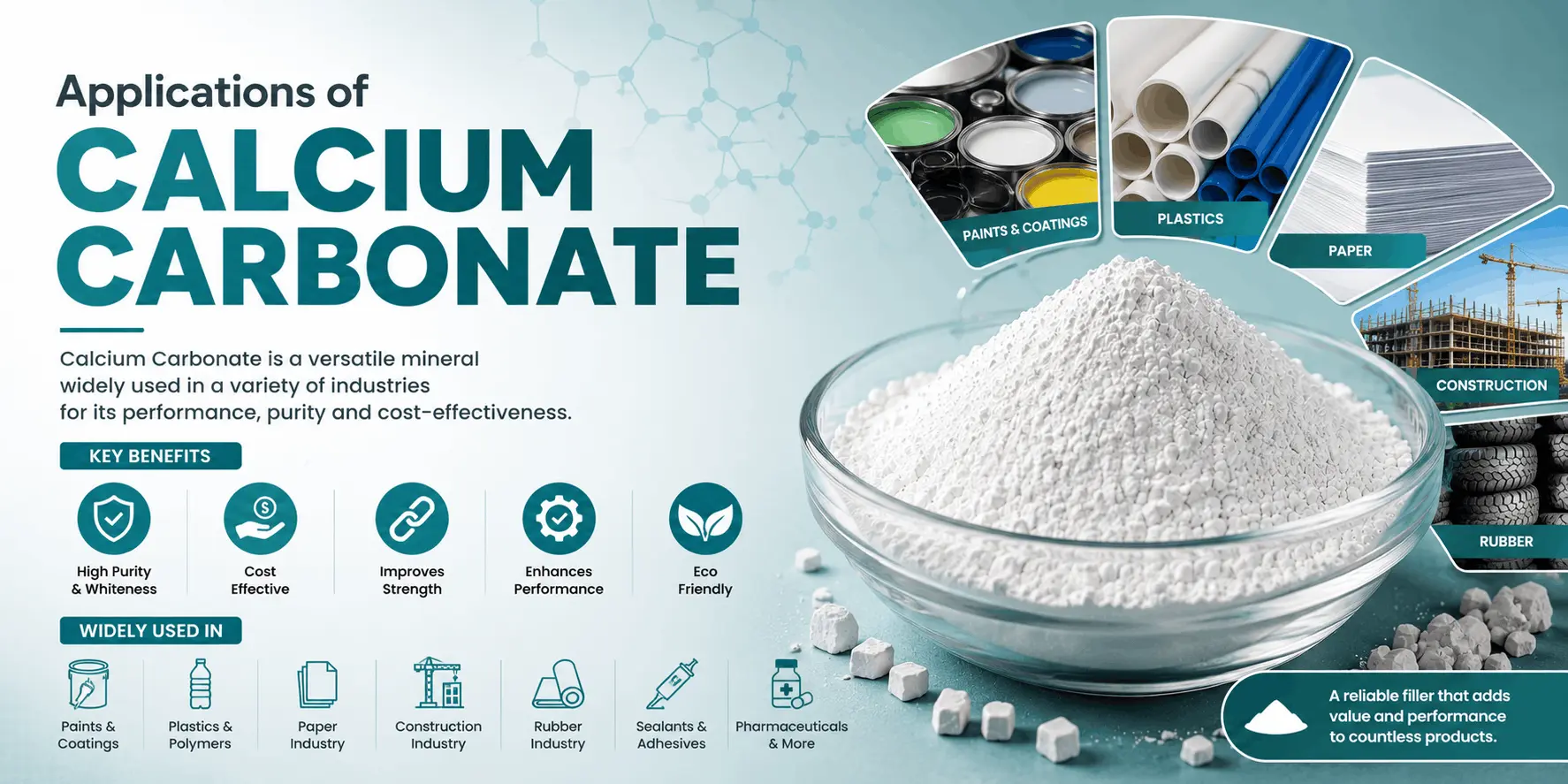
Pigments play an important role in modern manufacturing by providing colour, opacity, brightness, and visual appeal to a wide range of products. They are finely divided materials that are incorporated into different formulations to achieve specific colour and performance requirements. Their use extends across industries such as plastics, paints, coatings, printing inks, textiles, rubber, and construction.
Importance of Pigments in Manufacturing
The primary role of pigments is to provide consistent and long-lasting colour while maintaining the desired appearance of finished products. High-quality pigments can improve colour strength, coverage, opacity, and overall product uniformity. Selecting the appropriate pigment helps manufacturers achieve reliable results across different production batches.
Pigments in Paints and Coatings
Pigments are essential components of paints and coatings, where they provide colour, opacity, and surface coverage. Depending on the formulation, pigments can also contribute to durability, weather resistance, and protection against environmental conditions. They are widely used in decorative paints, industrial coatings, automotive finishes, and protective coatings.
Pigments in Plastics and Polymers
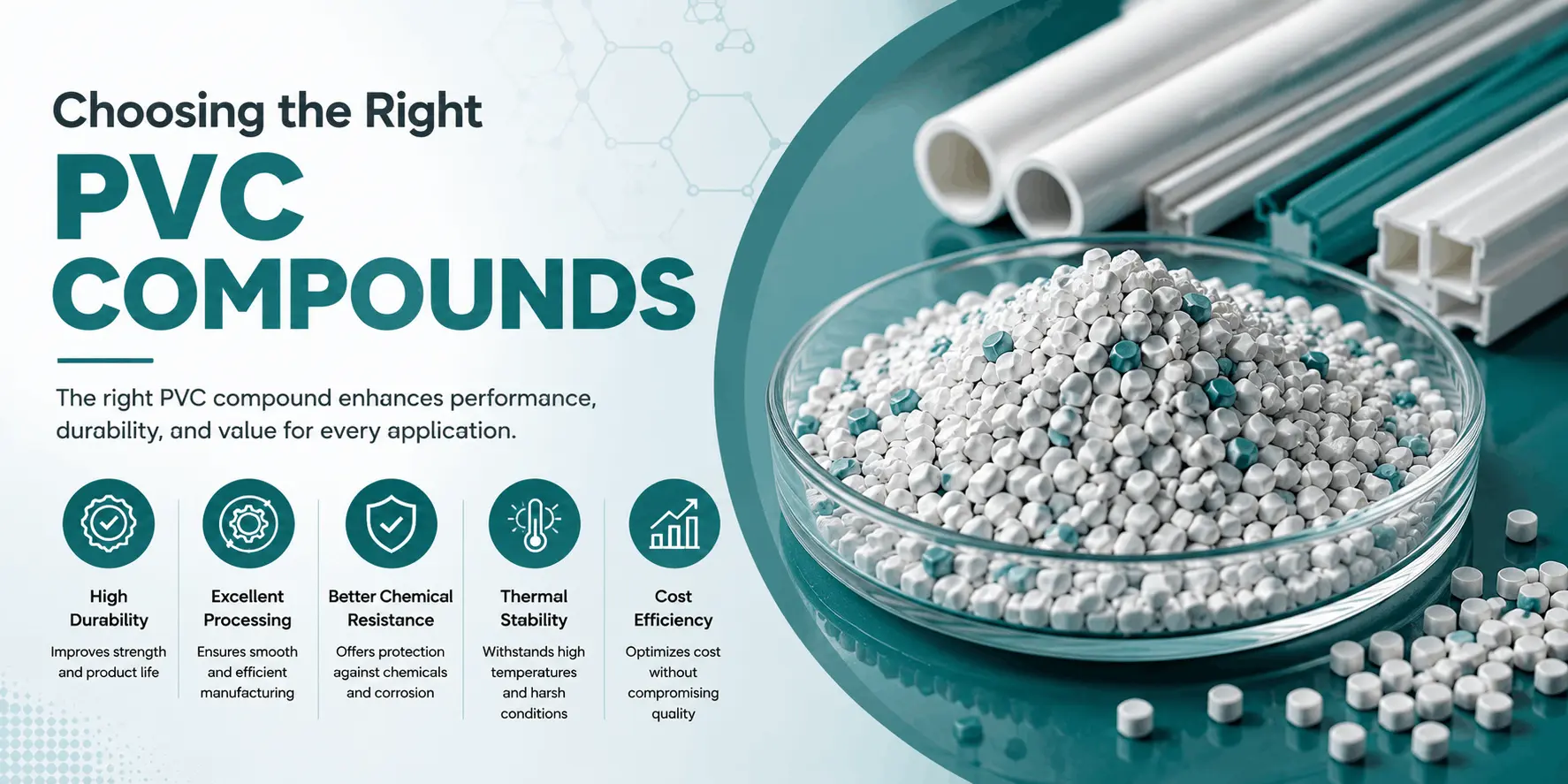
In the plastics and polymer industry, pigments are added to create specific colours and improve the visual characteristics of finished products. They are used in products such as pipes, profiles, packaging materials, containers, automotive components, and household products. Proper pigment dispersion is important for achieving uniform colour and consistent product quality.
Pigments in Printing Inks
Printing inks rely on pigments to deliver strong colour, opacity, and print quality. Suitable pigments help produce sharp, consistent, and visually appealing prints across different substrates. They are commonly used in packaging, labels, commercial printing, publications, and various industrial printing applications.
Factors to Consider When Choosing Pigments
Choosing the right pigment depends on factors such as colour strength, chemical compatibility, particle size, dispersion, heat stability, light resistance, and application requirements. Manufacturers should also consider the processing conditions and desired performance of the final product before selecting a particular pigment grade.
Benefits of High-Quality Pigments
High-quality pigments can provide excellent colour consistency, improved product appearance, good durability, and reliable processing performance. Using suitable pigments also helps manufacturers maintain uniformity between production batches and meet specific application requirements.
Choosing the Right Pigment
Selecting pigments from a reliable and experienced chemical manufacturer can help businesses achieve consistent quality and dependable performance. Understanding the application, processing conditions, required colour characteristics, and performance expectations is essential for choosing the most suitable pigment for manufacturing needs.